

Channa.id – PT Mega Medica Pharmaceuticals (MMP) conducted a research collaboration with Universitas Sumatera Utara (USU) and Universitas Bina Nusantara (BINUS) to address the problem of stunting among toddlers and children in Serdang Bedagai, North Sumatra Province. The research results were presented at the BINUS building hall in Jakarta on Wednesday, February 1, 2023.
The meeting was officially welcomed by Prof. Dr. Tirta Nugraha Mursitama, Ph.D., Vice Rector of BINUS; Mr. Budi Sumalim from the Development Acceleration Team of Serdang Bedagai; and Mr. Selamat Hartono, Head of the Serdang Bedagai Health Office. Also present at the meeting was the Director of PT MMP, Mr. Sutristo.
In addition, the research team from USU and BINUS was led by Prof. Bens Pardamean, B.Sc., M.Sc., Ph.D. and Prof. Dr. dr. Sarma Nursani Lumban Raja, Sp.OG (K), accompanied by several members of the research team.
Stunting Remains a Major Health Problem Among Toddlers in Indonesia
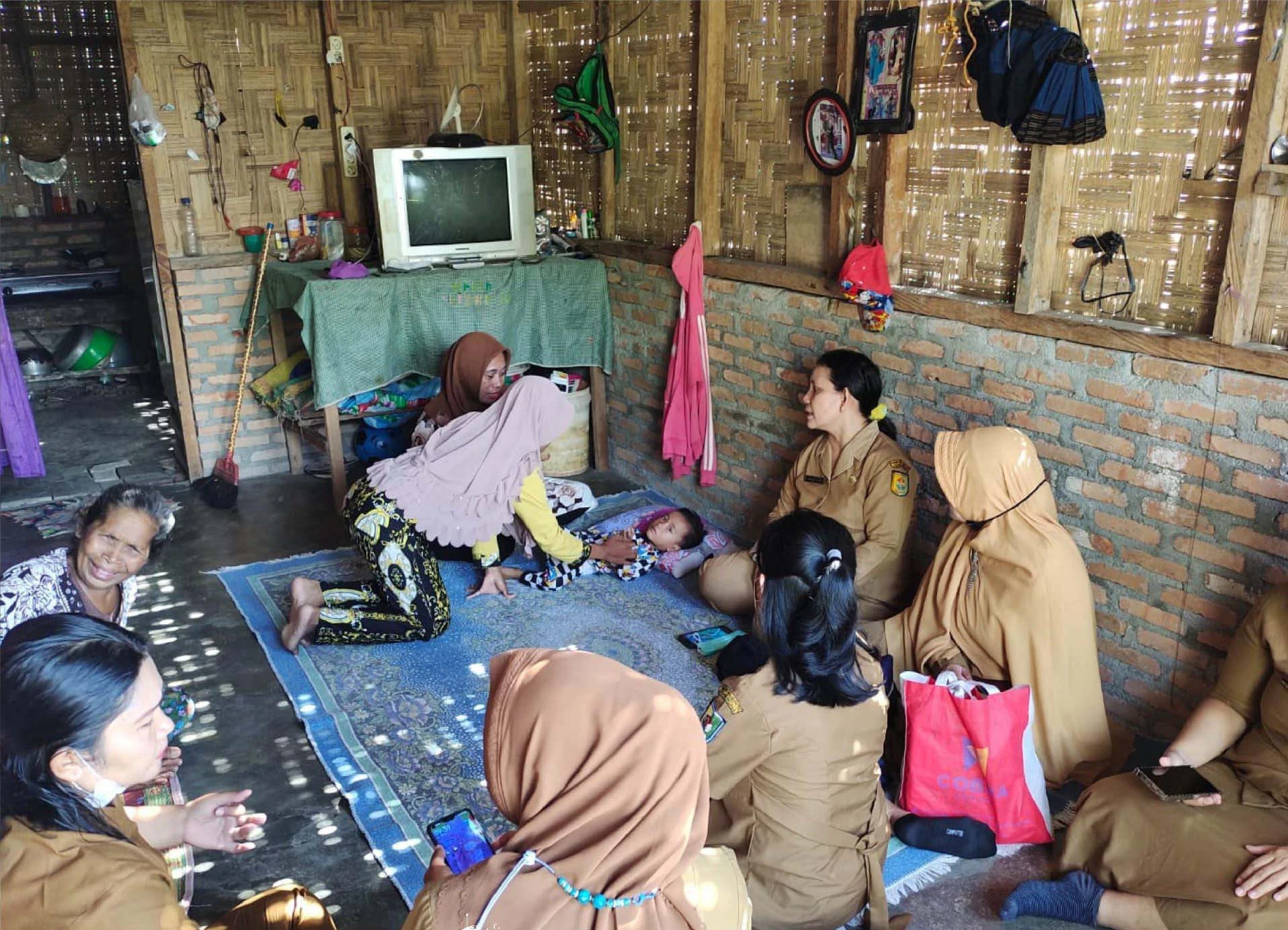
Many people in Indonesia still do not fully understand what stunting is and how it affects children. Stunting is a condition of chronic malnutrition experienced by toddlers, resulting in impaired height, length, and weight growth compared to children of the same age.
Unlike acute malnutrition, stunting tends to occur as a long-term cycle rather than a temporary nutritional deficiency that can easily return to normal. Even worse, women who experienced stunting during childhood are more likely to give birth to children who also suffer from stunting.
Based on the 2019 Indonesian Toddler Nutrition Status Survey (SSGBI), the national stunting prevalence reached 27.67%, which is still considered high based on the World Health Organization (WHO) standard that targets a prevalence below 20%.
In North Sumatra Province, the stunting prevalence reached 30.11%, with several districts prioritized for stunting intervention programs in 2021. Approximately one-third of the nine million toddlers in Indonesia experience stunting (Ministry of Health Data and Information Center of Indonesia, 2018; UNICEF & Others, 2021).
According to the Indonesian Nutrition Status Survey (SSGI), Serdang Bedagai is one of the regencies with a higher stunting prevalence than the national average, reaching 36.2% among toddlers aged 0–59 months.
Background and Objectives of the Research Collaboration on Stunting Management
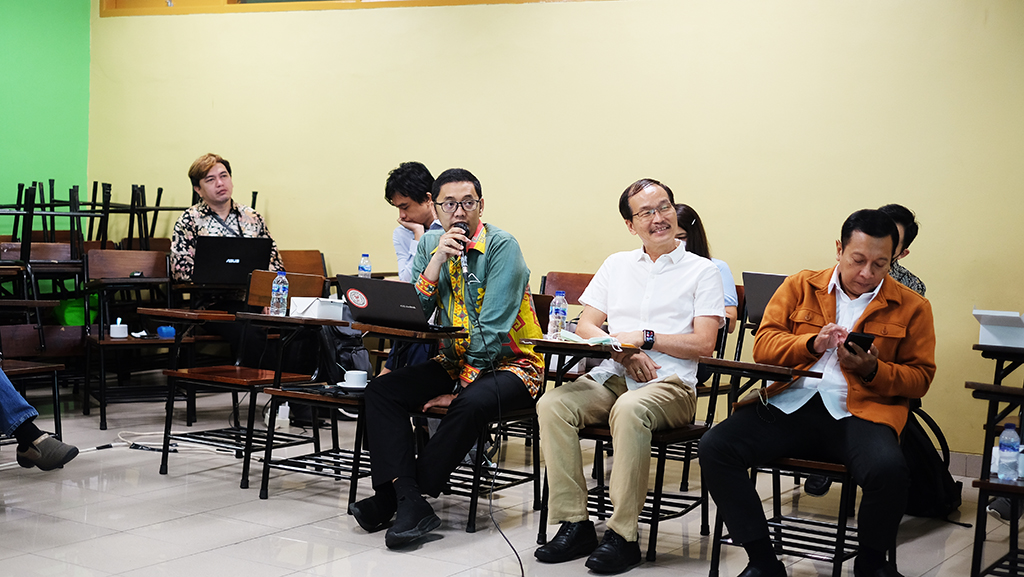
Stunting remains a major health challenge in Indonesia. One of the main factors contributing to the ineffective handling of stunting is the lack of valid databases and the limited implementation of technology for storing stunting data, particularly at the district and village levels.
As a result, appropriate interventions to reverse the negative impacts of stunting cannot be optimally formulated. Therefore, this research collaboration aims to facilitate systematic data collection through a database management system using the StuntingDB application.
Real-time monitoring of stunting prevalence through statistical analysis in this application is carried out on children who are at risk of stunting in Serdang Bedagai. This initiative also supports the local health office in managing data in an accountable and consistent manner.
Based on this database, the Serdang Bedagai Health Office can evaluate stunting prevention programs such as Supplementary Feeding Programs (PMT), both local and national.
Remarks from the Director of PT MMP, Regional Government Representatives, and the Serdang Bedagai Health Office
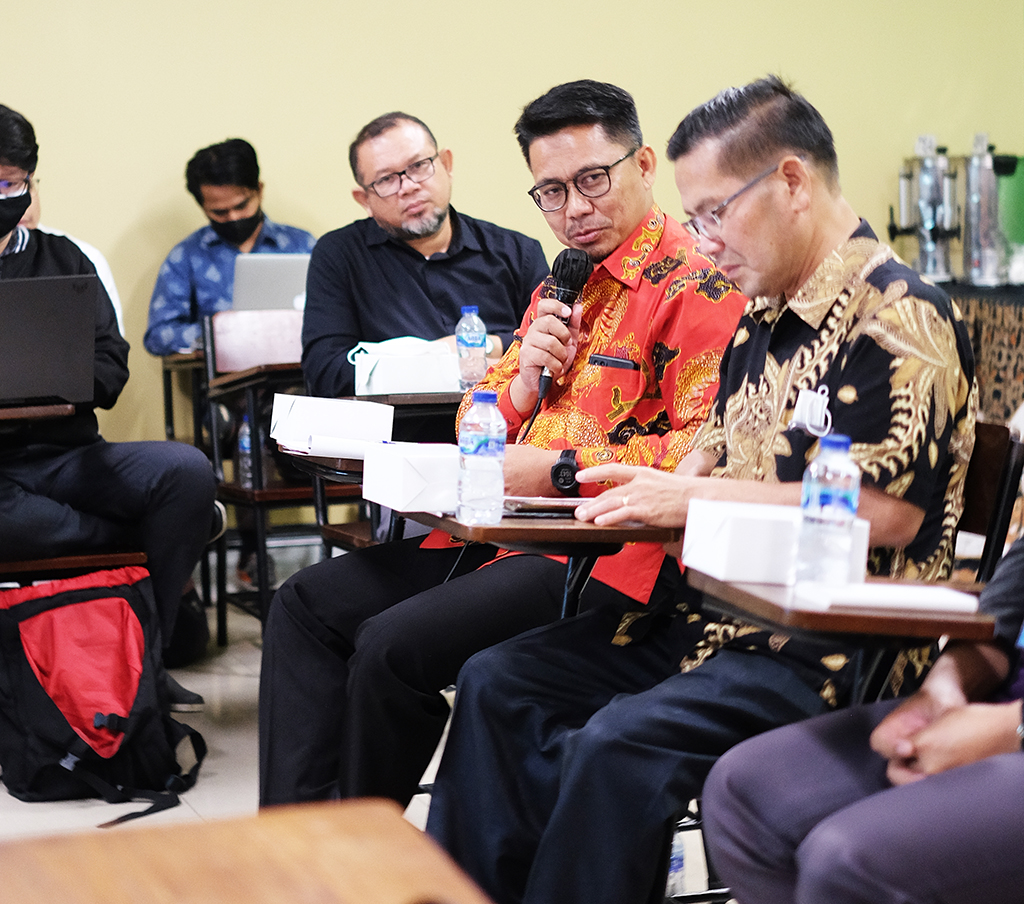
At the opening of the meeting, Mr. Budi Sumalim from the Development Acceleration Team of Serdang Bedagai and Mr. Selamat Hartono, Head of the Serdang Bedagai Health Office, explained that 20 public health centers (puskesmas) were included in this research and had been visited directly by the BINUS research team.
Stunting problems currently arise mainly from family economic conditions, children’s eating patterns, and inadequate nutritional intake.
Therefore, the regional government and the health office have implemented various efforts to prevent stunting, starting from health education for prospective brides, socialization for pregnant women, direct intervention for toddlers, and improving environmental hygiene and sanitation.
These efforts aim to support the national stunting reduction target of 14% by 2024. Continuing the meeting, the Director of PT Mega Medica Pharmaceuticals (MMP), Mr. Sutristo, expressed his gratitude to the regional government, BINUS, and USU for their support in implementing this stunting research program.
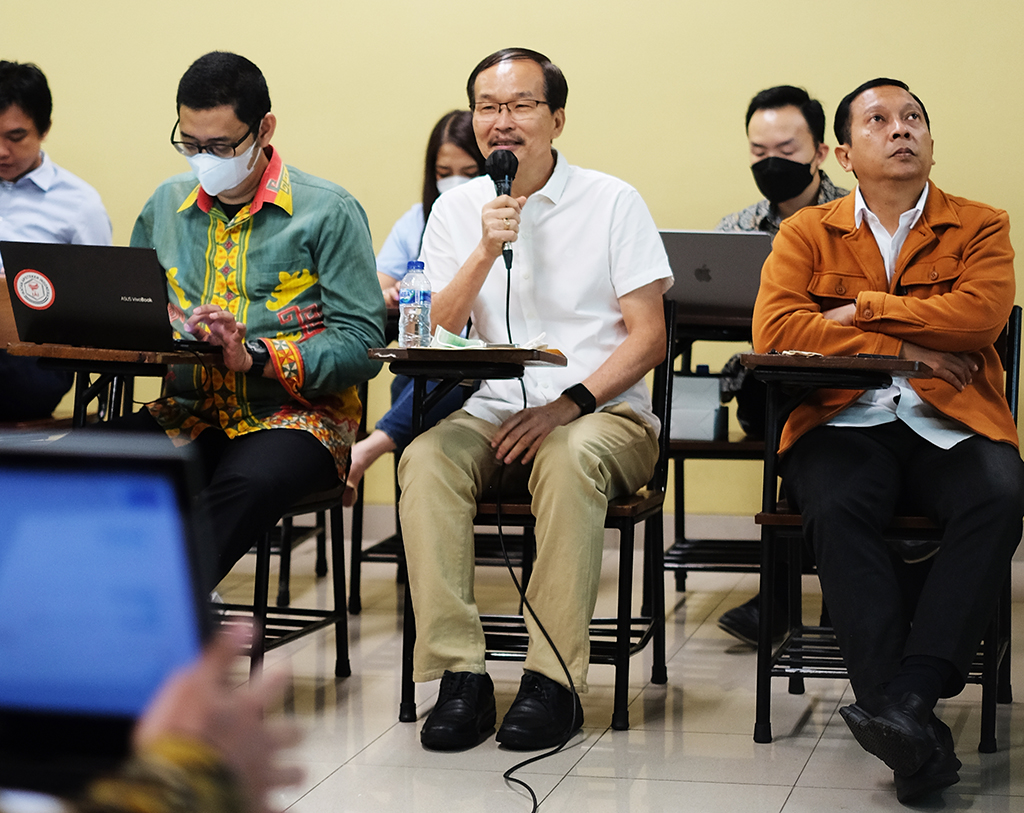
He also emphasized that there is a significant data gap between the results of the SSGI survey and the actual stunting conditions in the field. Therefore, this research plays a crucial role in helping the government clarify real stunting data.
Based on the research results, Mr. Sutristo stated that the six-month study produced positive outcomes. Data showed that toddlers who received ChannaFit experienced faster growth and better weight gain compared to those who only received the PMT program such as biscuits, milk, eggs, and bread.
Presentation of the Research Collaboration Results by PT MMP, BINUS, and USU on Stunting Management in Serdang Bedagai

The research was conducted from July to December 2022 (six months), involving 20 public health centers, 6 urban villages, and 243 villages in Serdang Bedagai Regency, North Sumatra. The study participants were toddlers aged 13–59 months who met the stunting criteria (height-for-age z-score between -2 to -3 standard deviations) and were residents of Serdang Bedagai.
A registry study model was applied using the StuntingDB application developed by BINUS as a database system to monitor the growth (height and weight) of stunted toddlers in Serdang Bedagai.
During the research presentation, Reza Rahutomo, S.Kom., M.MSI., explained that there were 486 toddler data records registered in the StuntingDB. Three intervention programs were implemented: government PMT, ChannaFit supplementation, and a combination of both.
During the six-month observation period, 166 toddlers (75%) received ChannaFit, 38 toddlers (17%) received the combination of ChannaFit and PMT, and 14 toddlers (6%) received PMT only. Reza also explained that stunting can be genetically inherited from parents to children.
Role of Snakehead Fish, Meniran, and Temulawak in Stunting Prevention
The presentation continued with Imam Bagus Sumantri, S.Farm., M.Si., Apt., from the USU research team, who explained that stunting not only causes children to become shorter but also affects their cognitive development.
He stated that snakehead fish can be used as a nutritional source due to its high content of protein, albumin, and essential amino acids. Additionally, meniran and temulawak have been scientifically proven to increase children’s appetite.
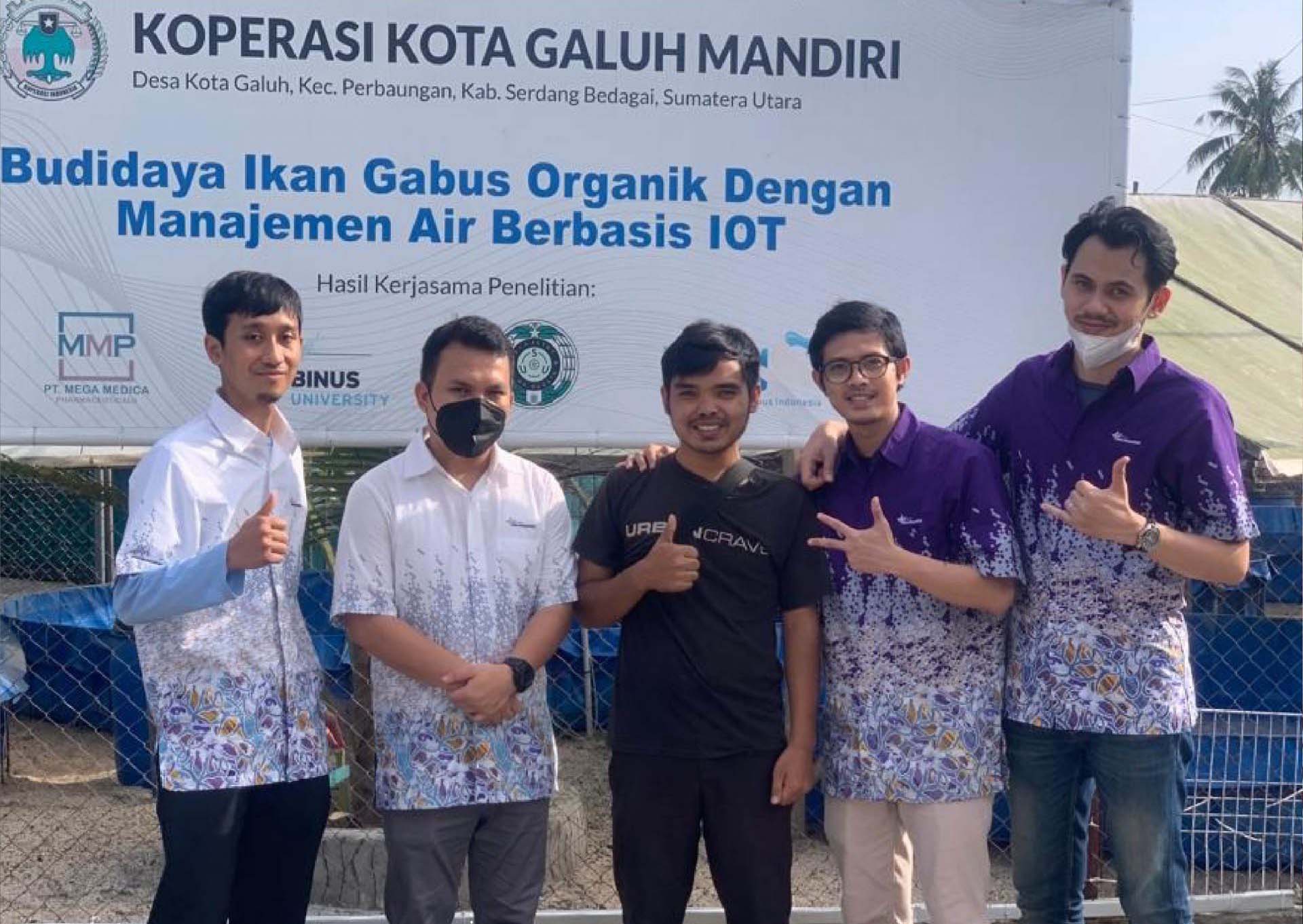
He also presented a study conducted by the USU team titled “Preclinical Test of a Combination of Snakehead Fish Extract, Temulawak, Meniran, and Honey in Syrup Form for Stunting Prevention.”
This preclinical research aimed to identify the characteristics of the active compounds, the syrup formulation, and the effectiveness of the combination for stunting prevention.
The experimental method used male white rats aged 5–6 weeks with body weights of 100–150 grams. A total of 20 rats were adapted for seven days and divided into two control groups and three treatment groups for 56 days.
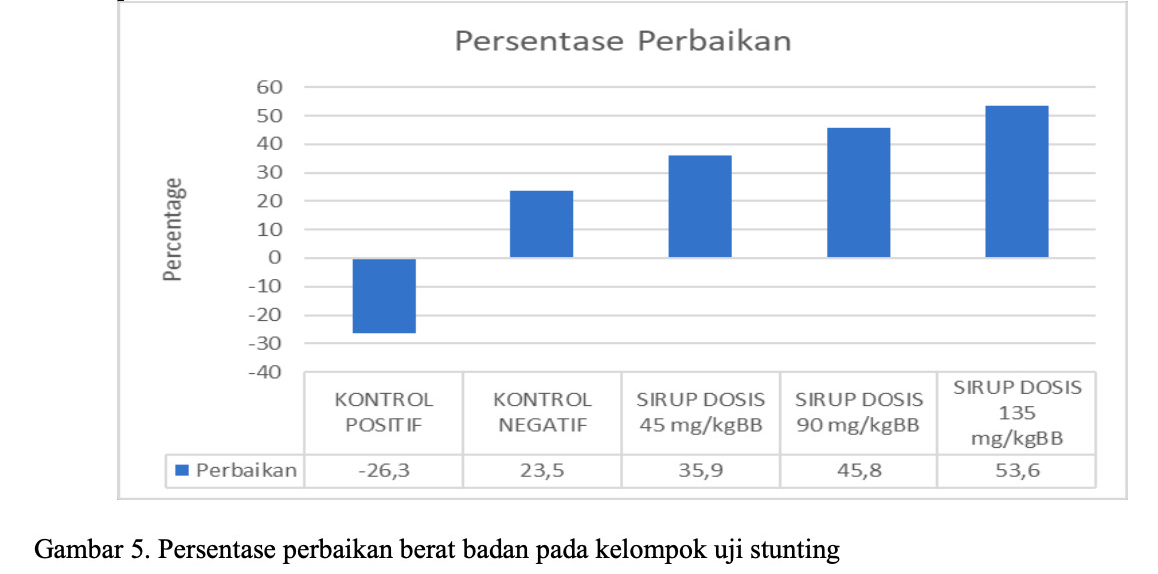
The results showed that the syrup combination at a dose of 135 mg/kg body weight produced the best activity, followed by doses of 90 mg/kg and 45 mg/kg. The highest body weight improvement reached 53.6%, while the lowest was 23.5%. These findings confirm that the combination can be used as a stunting intervention.
ChannaFit Successfully Helps Children Escape from Stunting with Significant Height and Weight Gain
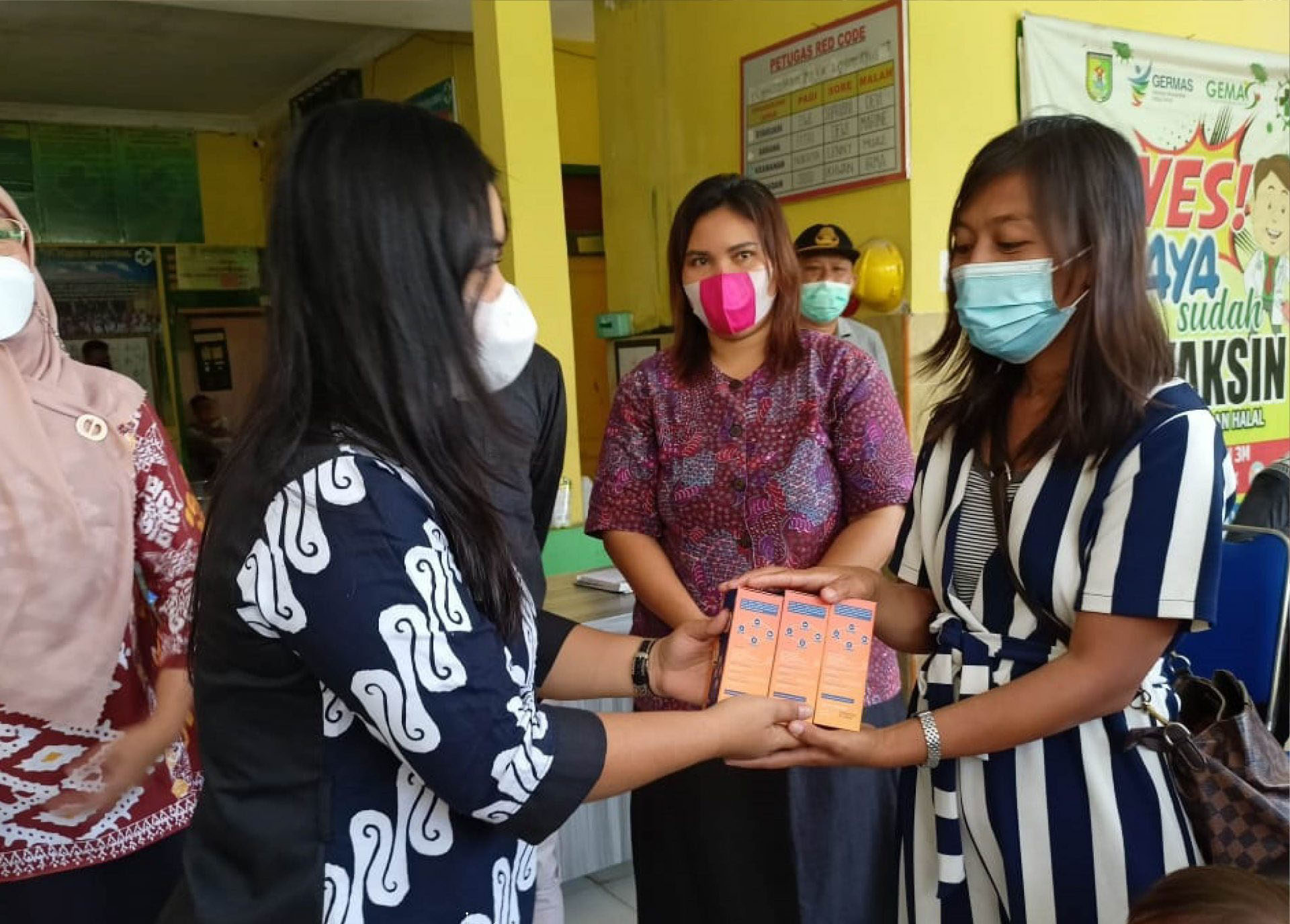
During the six-month study period, 38% (81 children) were successfully freed from stunting, with an average height increase of 8.9 cm and a weight gain of 2.6 kg. Overall, all three stunting intervention programs produced significant improvements.
However, ChannaFit showed the most significant impact compared to the other programs. Participants who consumed ChannaFit experienced an average height increase of 8.45 cm and a weight gain of 2.80 kg.